
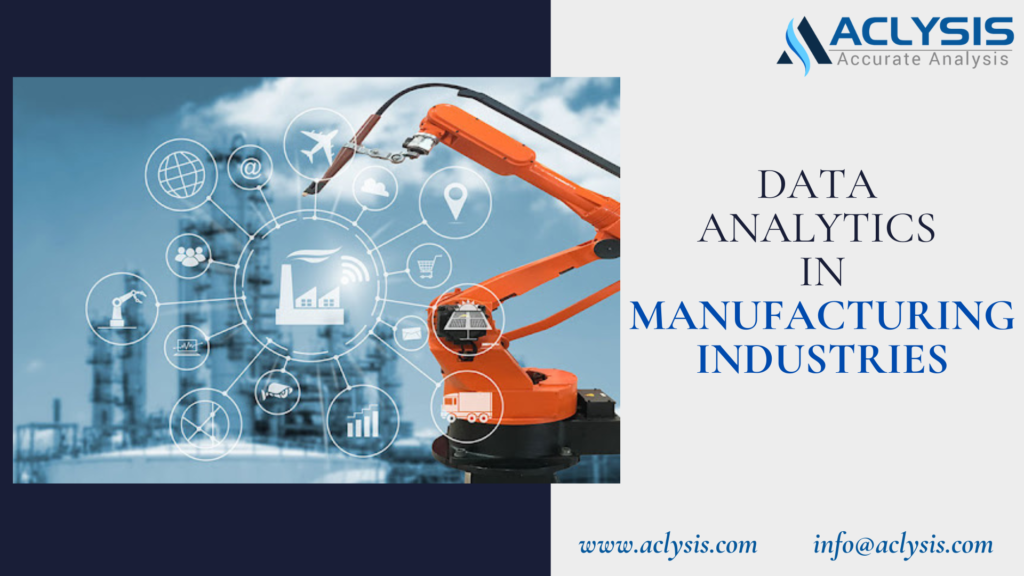
Data analytics can significantly enhance manufacturing industries in various ways by driving efficiency, improving product quality, reducing costs, and enabling informed decision-making. Here’s how data analytics can benefit manufacturing:
1. Predictive Maintenance:
Minimize Downtime: By analyzing data from machinery and equipment, predictive maintenance models can forecast potential failures before they occur. This allows manufacturers to schedule maintenance at optimal times, reducing unplanned downtime and extending the life of equipment.
Cost Savings: Predictive maintenance can lower maintenance costs by avoiding unnecessary repairs and minimizing production stoppages.
2. Process Optimization:
Improving Efficiency: Data analytics helps in monitoring and analyzing production processes in real-time, identifying bottlenecks, and optimizing workflows. This can lead to increased throughput and reduced waste.
Quality Control: By analyzing data from different stages of production, manufacturers can identify variations and defects, leading to improved quality control and reduced scrap rates.
3. Supply Chain Management:
Inventory Optimization: Data analytics enables manufacturers to optimize inventory levels by forecasting demand more accurately, reducing excess stock, and avoiding stockouts.
Supply Chain Visibility: Real-time data from suppliers, logistics, and production lines can be analyzed to provide end-to-end visibility, improving coordination and reducing lead times.
4. Product Development:
Design Improvement: By analyzing data from product usage, customer feedback, and market trends, manufacturers can improve product designs to meet customer needs better and reduce time-to-market.
Customization: Data analytics allows manufacturers to analyze customer preferences and demand patterns, enabling the production of more personalized and customized products.
5. Energy Management:
Energy Efficiency: Data analytics can track and analyze energy consumption across different production processes, identifying areas where energy use can be reduced, leading to cost savings and sustainability.
Sustainability Initiatives: By integrating data analytics with environmental data, manufacturers can monitor and improve their environmental impact, supporting sustainability goals.
6. Supply Chain Risk Management:
Risk Mitigation: By analyzing external data such as geopolitical events, weather patterns, and supplier performance, manufacturers can anticipate and mitigate risks in their supply chain, ensuring continuity of operations.
7. Cost Reduction:
Resource Optimization: Analytics can help in optimizing the use of raw materials, labor, and other resources, reducing production costs while maintaining or improving quality.
Operational Efficiency: By identifying inefficiencies and areas for improvement, data analytics can lead to more streamlined operations, reducing overall operational costs.
8. Demand Forecasting:
Accurate Forecasts: By analyzing historical sales data, market trends, and other relevant data, manufacturers can make more accurate demand forecasts, helping in better production planning and inventory management.
Adaptability: With more precise demand forecasting, manufacturers can quickly adapt to changes in market demand, reducing waste and maximizing profitability.
9. Enhanced Decision-Making:
Data-Driven Decisions: Data analytics provides manufacturing leaders with insights that support informed decision-making, from strategic planning to day-to-day operations.
Scenario Analysis: By using predictive analytics and simulations, manufacturers can evaluate different scenarios and their potential outcomes, leading to better strategic decisions.
10. Customer Insights and Satisfaction:
Customer Feedback Analysis: Analyzing customer feedback and product performance data can help manufacturers improve product quality and customer satisfaction.
Market Trends: Data analytics helps in understanding market trends and customer preferences, allowing manufacturers to stay ahead of the competition by aligning their product offerings with market demands.
11. Compliance and Safety:
Regulatory Compliance: Data analytics helps in monitoring and ensuring compliance with industry regulations and standards, avoiding legal issues and penalties.
Workplace Safety: By analyzing data related to workplace incidents, manufacturers can identify patterns and implement measures to improve safety standards.
Conclusion:
Data analytics empowers manufacturing industries to become more efficient, agile, and customer-focused. By leveraging data, manufacturers can optimize their operations, reduce costs, improve product quality, and make better strategic decisions, ultimately leading to increased profitability and competitiveness.